 Veteran-built.
Your manual wins. These are general practices. When your tool's manual says something different, follow the manual.
What to compare
| Factor | What it means on a jobsite |
|---|---|
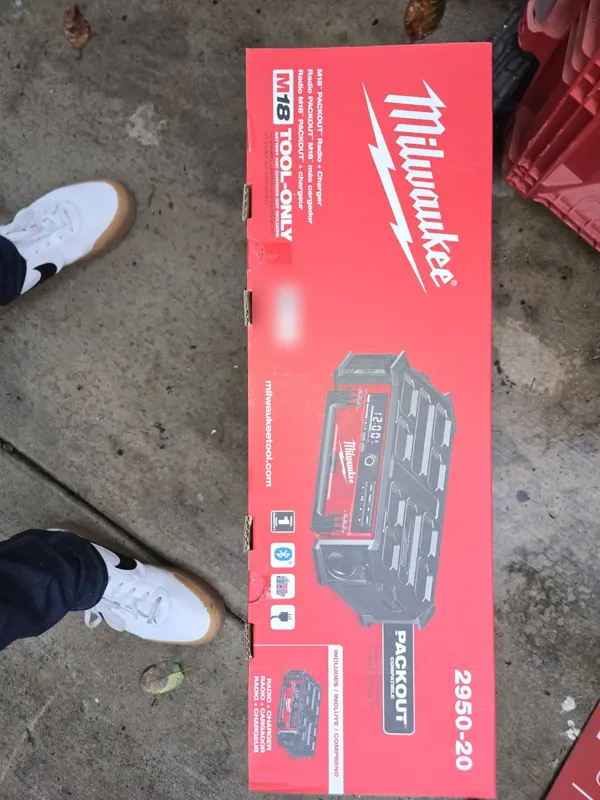
| Power | Battery from your tool platform, AC, or both |
| Toughness | Roll cage, drop resistance, and a water and dust rating (look for an IP rating) |
| Sound | Clear voices and music at a distance over tool noise |
| Bass | Larger drivers or a built-in subwoofer give fuller low end |
| Runtime | Hours per pack at medium volume |
| Extras | Bluetooth range, a USB charging port, an AC outlet passthrough, storage system fit |
Sound vs bass
- Loud isn't the same as clear. On a jobsite, a radio that keeps voices clear at medium volume beats one that distorts at high volume.
- Bass needs size. Small speakers can't move much air. Radios with larger drivers or a subwoofer have fuller bass but are bigger and heavier.
- Placement matters. Set a radio against a wall or in a corner for more bass; up off the floor for more reach.
What crews will note
Crews note how well each radio carries over saws and compressors and how long a pack lasts through a shift. Crew notes go on the field notes page.
Protect your hearing
If you have to shout to be heard an arm's length away, it's too loud for long periods. Turn it down or wear hearing protection when tools are running.
Manufacturer instructions
Your tool manual is the final word. Find yours by model number:
Need the tool?
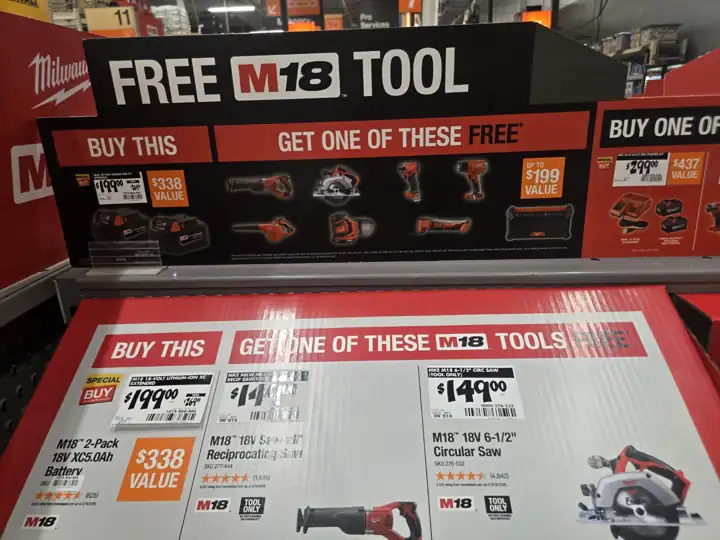
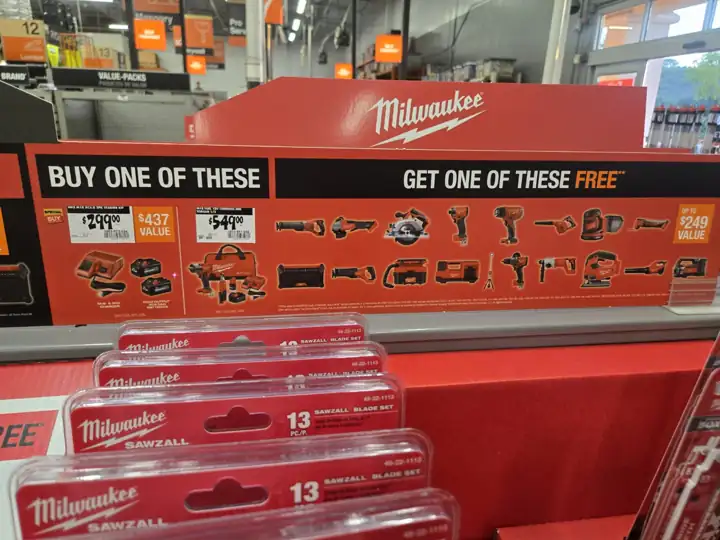
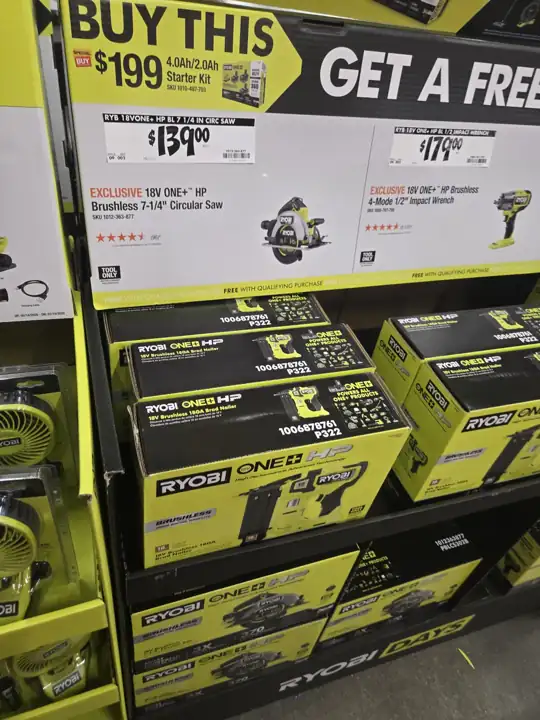
See today's dealsShop on AmazonCheck the free-tool kit deals before paying full price.