 Veteran-built.
How our field notes work
Brands publish specs from their own labs: max torque, no-load speed, blows per minute, runtime. Those numbers are real, but they come from each brand's own method, and they don't tell you how a tool feels at the end of a full shift.
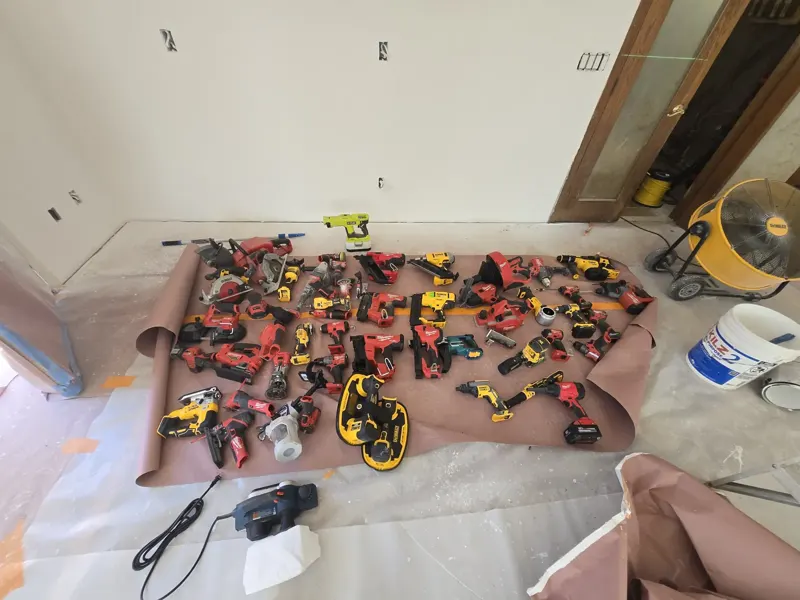
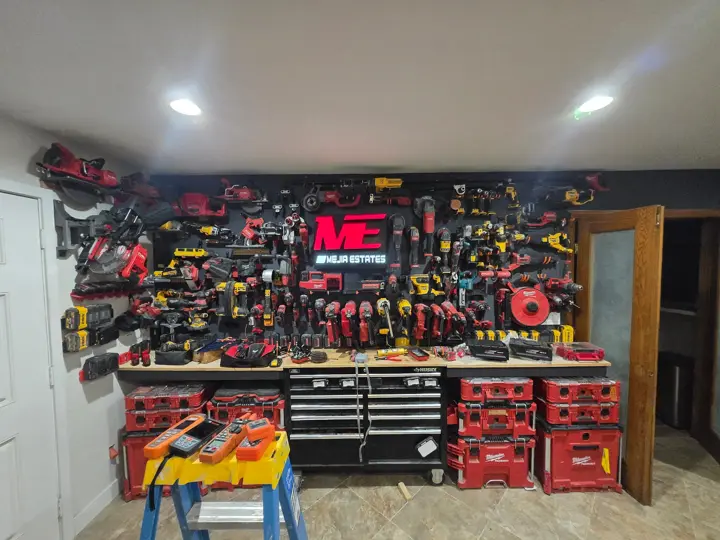
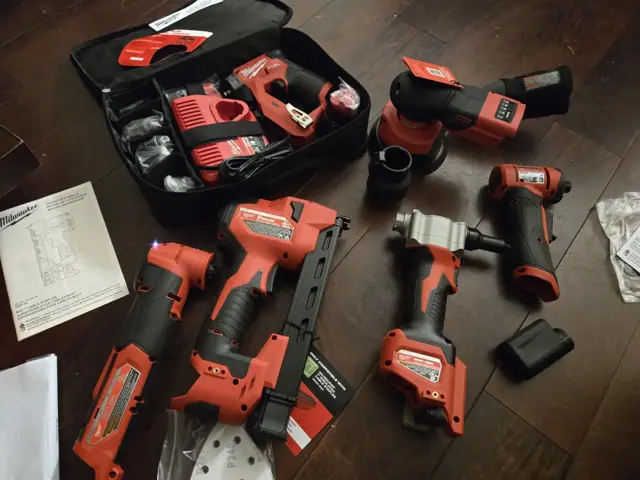
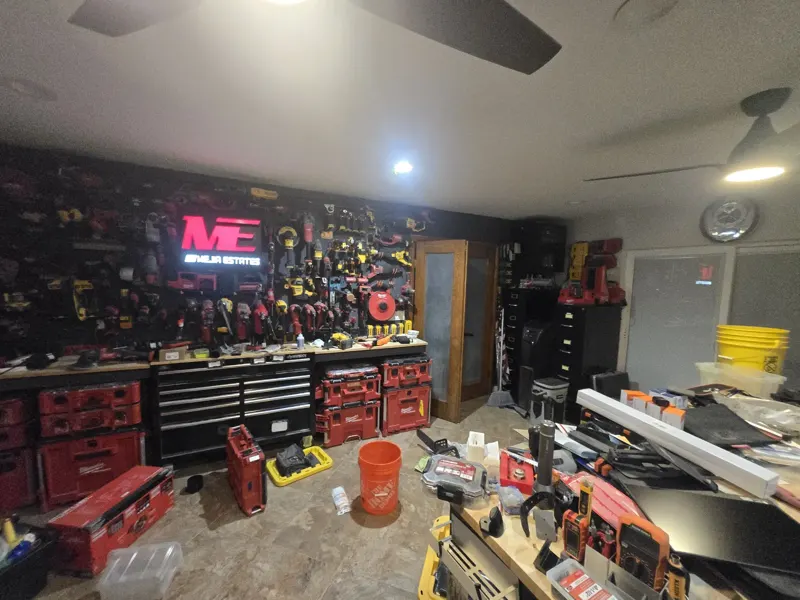
We don't run a lab or bench tests. Our notes come from Veterans Investment Group crews using tools on real jobs. After a job, we write down:
- The task and material (for example, deck screws into pressure-treated lumber, or anchors in block).
- Whether the tool finished the job on the battery or fuel it started with.
- What the crew liked, and what they complained about: weight, heat, vibration, balance, chuck or bit slip, battery life, noise over a full day.
- Any failure, repair or warranty claim.
- Any injury or near-miss, such as kickback, binding, a thrown bit or debris, and what we changed afterward.
- Whether the crew would buy it again.
Each row above shows the brand's published spec next to what our crews report once notes exist. A row without crew notes means our crews haven't used that tool on enough jobs yet; we don't fill the gap with guesses.
Our rules
- No lab claims. We never say "tested," "measured" or "lab-proven."
- Published numbers are cited with a link and the date we read them.
- Disclosed. Each note says whether we bought the tool or a brand provided it. Brands can't buy or edit notes.
- Safety first. If a tool caused an injury, we say so plainly and report serious product hazards at SaferProducts.gov.
FAQ
Why not lab tests? We're a working crew, not a lab. A field note tells you what happens on real jobs, which is what most buyers want to know. For lab-style numbers, read independent testers such as Pro Tool Reviews or ToolBoxBuzz, which we name when we cite them.
Can I suggest a tool? Yes, use the contact page.
More: Used on real jobs by working crews · Reviews · The tools we use